My shower drains slowly. What should I check before calling?
A shower that drains slowly is usually a single fixture problem, and that matters. Hair and soap scum catch in the strainer and the trap just below it. That is a different job from a main line problem, where every drain in the house runs slow.
Safe checks you can do yourself: lift the strainer or stopper and clear what is sitting on it. A plastic drain strip, the kind with small barbs, pulls hair out of the first few inches of pipe. Flush with hot tap water afterwards. Then test the others. Run the bathroom sink and flush the toilet while watching the tub. If water rises or bubbles in the tub, the problem is past this fixture.
Chemical drain openers are best avoided. They sit in a standing pipe, can damage fittings, and are a hazard to whoever opens the line next.
Stop running water and call if the toilet gurgles when the shower empties, if there is a sewage smell, or if water comes up in any drain. Gurgling can point to a blocked vent stack, and slow drains everywhere can point to the main line.
A cable machine is usually enough for hair and soap in a branch line. If it keeps coming back, a camera inspection shows why. Expert Plumbers Co is a referral service, not a plumbing company. We refer you to a local plumber for Drain Cleaning in Galloway, NJ: (380) 262-9173.
One more thing to check is whether the problem is the shower drain itself or the pipe it sits in. If the strainer is clear and the water still pools, try removing the cover and looking at how the drain body is built. Some tubs have a pop-up stopper or a trip lever linked through the overflow, and a bent or hair-wrapped linkage can hold the plug partly shut. In older homes the tub may use a lead or cast iron trap further down that fills with soap and hair, while newer showers have a plastic P-trap that is easier to reach from below. A common mistake is pouring boiling water down the drain, which can soften plastic fittings and loosen joints. If the water level drops only after a long wait, even once the strainer is clean, the blockage is deeper in the branch and needs a plumber's tools.
Sewage has backed up into my basement. What do I do right now?
Stop running water in the house now. That means toilets, sinks, showers, the washing machine and the dishwasher. Every gallon you send down the line has nowhere to go but out through the lowest opening, which is your basement floor drain.
Stay out of the water. Keep children and pets away. If you must go in, wear boots and gloves, and do not touch outlets or appliances while standing in it. Do not pour chemical cleaners down any drain.
One safe check: look at whether other drains upstairs are gurgling or slow. If they are, the main sewer lateral is blocked or failing. Typical causes are root intrusion at a clay joint, grease build-up on the pipe wall, a bellied line holding water, or a collapsed section. A single slow fixture is a branch line problem. A basement backing up with the whole house affected is a main line problem, and it needs different equipment.
This is Emergency Drain Cleaning, and it is not a homeowner job. A cable machine at the cleanout can clear a soft blockage. Roots and grease usually need hydro jetting, and a camera inspection shows why the line stopped.
Cost depends on cleanout access, what is found in the pipe, how much has to be removed or repaired, and any permit requirement. Expert Plumbers Co is a referral service. Call (380) 262-9173 and we will refer you to a plumber serving Galloway, NJ.
Once the water is stopped, take photos of the water line and the affected items before anything is moved, and write down the time you first noticed it. If the backup is sewage, do not use a wet vacuum or a household fan on it, and do not start throwing out porous items until the plumber has opened the line. Tell the plumber what ran just before the backup, such as a load of laundry or a long shower, and whether the floor drain or a basement toilet was the first place it showed. In an older home with a clay or cast iron lateral, the cause is often roots or a collapsed section. In a newer home it is more often a belly, a joint that was set poorly, or a heavy wipe or grease blockage. After the line is cleared, the floor and walls still need proper cleaning and drying, and that is separate from the plumbing repair.
What actually happens when a plumber comes to clear my drain, from the moment he arrives to the last flush?
Most people only see the machine come out of the truck. There is more to the visit than that, and knowing the order helps you tell a careful job from a rushed one.
An independent plumber usually starts with questions. Which fixtures are slow, which are fine, when it started, and whether you have noticed gurgling or a smell. One slow sink points to a branch line. Every drain in the house acting up points to the main line.
Next comes a look at access. That might be a sink trap, a tub drain, a toilet that has to be pulled, or a cleanout outside or in the basement. Floors and cabinets get covered with towels or a drop cloth.
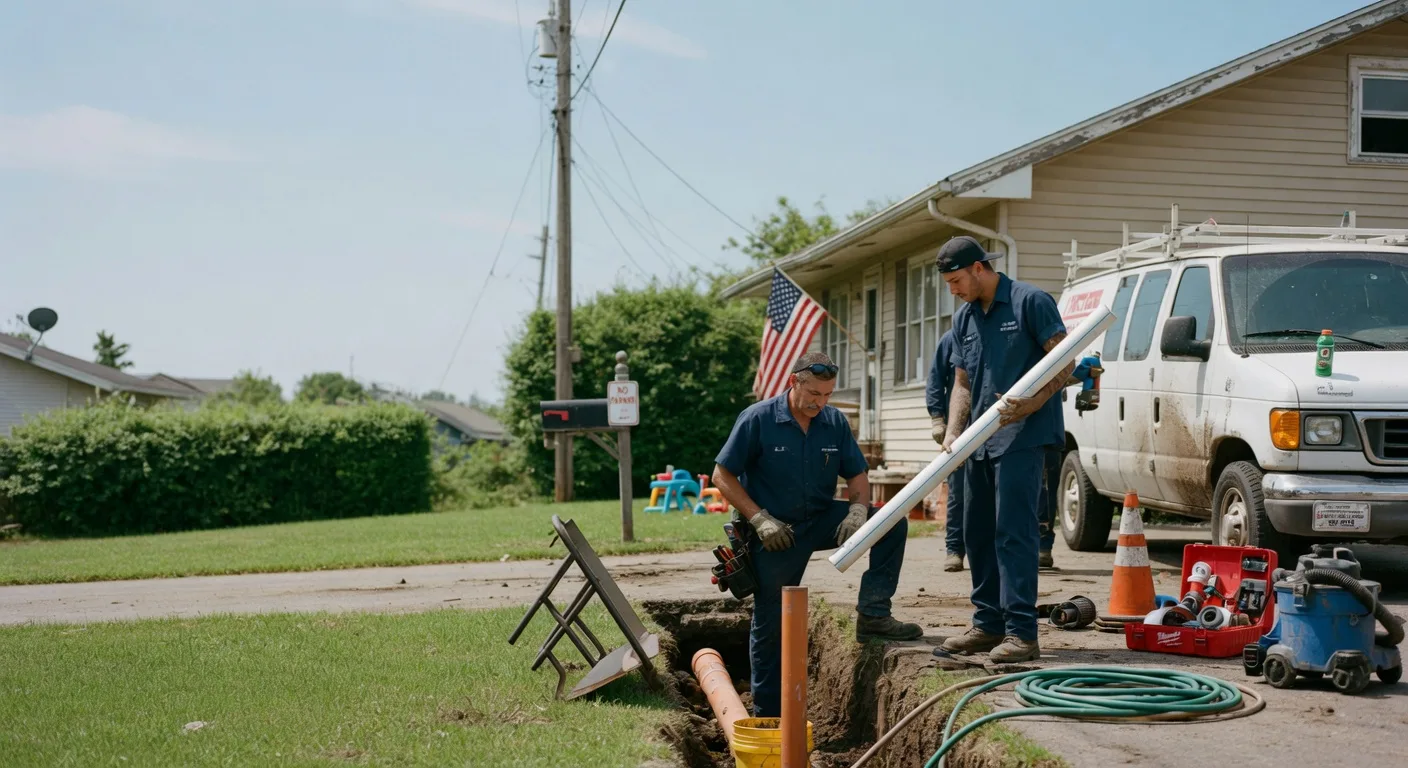
Then the plumber picks the tool. A hand auger or small drum machine suits a sink or shower. A larger cable machine suits a main line. If grease or heavy scale is suspected, hydro jetting may come up instead, and a camera may be suggested before anything else.
The cable goes in and is fed forward by feel. A clog gives resistance, then a change when the cutting head breaks through. Roots, grease and soft paper each feel different, and a careful plumber will tell you what the cable seemed to hit. When the cable comes back out, whatever clings to it is worth a look. Hair, wipe fibers, root hairs or a greasy paste all point to a cause.
After that comes the test flush. Water runs through the fixture, and often through several fixtures at once, while the plumber watches for slow movement, gurgling, or water rising in a neighboring drain. At a cleanout, the plumber watches the flow pass. This step matters most. A line that drains well for ten seconds and then slows is only partly open.
Last, the plumber explains what was found. If the blockage was in the main line, has come back before, or the cable stopped at the same spot each time, a camera inspection is the sensible next step, because a cleared pipe and a healthy pipe are not the same thing.
Cost depends on access, how far the cable has to travel, whether a toilet has to be pulled, and whether extra equipment is needed.
If you need a drain cleared in Galloway, NJ, Expert Plumbers Co can connect you with an independent local plumber at (380) 262-9173.
I rent out my place and the tenant says the drains are backing up. What should I ask them, and what should I arrange?
Start with a few plain questions, because the answers tell the plumber where the problem is before anyone arrives.
Ask the tenant which fixtures are affected. One slow sink or tub points to a clog in that fixture's own branch. If several drains are slow, or water rises in a tub or shower when the toilet is flushed or the washer empties, the main line is the likely culprit.
Ask when it started and what changed. Did it follow heavy rain, a laundry day, a large gathering, or a new habit such as flushing wipes? Ask whether there are gurgling sounds, a sewage smell, or water in a floor drain or basement. Ask whether anything has already been tried, especially chemical cleaners, since those are a hazard to whoever opens the pipe next.
Ask for photos or a short video of the fixtures. That is faster than a long phone call and helps if you are not living nearby.
What to tell the tenant right away: stop running the washer and dishwasher, go easy on the toilets, and do not pour cleaner down the drain. If sewage is coming up inside the home, or water is spreading across a floor, treat it as urgent and keep people and pets out of the wet area.
What to arrange: a plumber to clear the line and, if the same drain has failed before, a camera look at it. Offer the plumber the tenant's contact details and agreed times so access is not the delay. Ask whether the blockage was in the fixture branch or the main line, and whether the plumber thinks it was caused by tree roots, a sagging pipe or something that was flushed. That tells you whether it is a one-off or a repair item.
Keep notes: dates, photos, what the plumber found. Whether the cause is wear or misuse affects the conversation with the tenant, so write down what was seen rather than what was assumed. Check your lease and local rules for your own obligations.
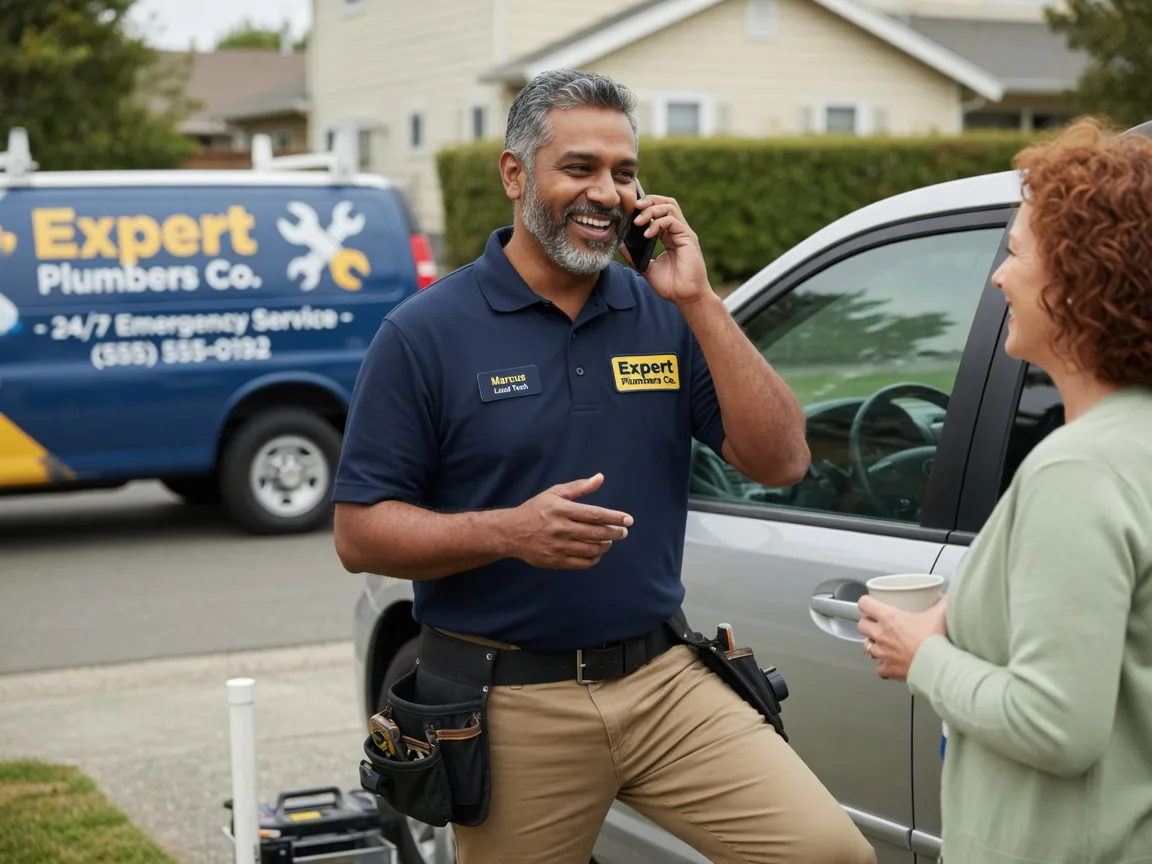
Expert Plumbers Co can connect you with an independent plumber in Galloway, NJ for this: call (380) 262-9173.
We wash the dog or muddy gear in the tub or laundry sink. Can sand and mud clog the line?
Washing the dog in the tub feels harmless. The water runs away, the bathroom smells of wet fur, and an hour later the tub drains slowly. Muddy boots, gardening gear and sports kit in the laundry sink do the same thing over time. Yes, sand and mud can clog a line.
The problem is how they travel. Water carries sand and grit along, but only while it is moving fast. In a trap, a flat run or a low spot in the pipe, the flow slows and the grit drops out. It settles, packs down and mixes with pet hair, soap and grease to form a dense sludge. Each wash adds a little more. Eventually the pipe is narrow enough that normal use overflows it at peak load.
Hair and grit also catch on any rough spot, such as scale in cast iron or a root mat at a clay joint, and a bellied line holds the settled material in place. It does not flush away on its own.
The key question is where it is happening. If only the tub or laundry sink drains slowly, the clog is likely in that fixture's trap or branch line. If the toilets gurgle and other drains back up as well, the sludge has moved into the main.
Safe homeowner check: stop washing pets or gear in the tub and laundry sink for now. Fit a fine hair catcher over the drain. Use a bucket and the yard hose for muddy boots and dog baths outside when weather allows. Do not pour chemical drain cleaners into a line with packed sand, since they do not dissolve it.
Stop running water and call now if sewage or gray water is coming up in a tub or floor drain, if the drain is overflowing, or if you smell sewage. Do not keep running the washer while the line is backed up.
A cable machine can open a path through packed sludge, but it often leaves settled sand behind, so the drain slows again. Hydro jetting flushes the sand and mud out of the line. If the trouble keeps returning, a camera inspection shows whether a belly, root intrusion or damaged joint is trapping it.
Expert Plumbers Co is a referral service. We connect you with an independent local plumber in Galloway, NJ. Call (380) 262-9173.
Tell the plumber exactly what goes down the drain, including pet washing. Ask whether the trap was cleaned and whether the main was jetted or only cabled. Scope depends on access, how far the buildup extends, whether a section has to be opened up, and any permit or code requirement for repairs. A cleanout near the fixtures makes future service simpler.